
High-speed rail scheduling and urban rail
Ensure the synchronization of signaling system through the unified time base, and adapt to the time coordination of GSM-R, TSN rail Ethernet and intelligent station control system.

Beidou Bontec provides high-precision and high-reliability time synchronization and navigation and positioning solutions for the intelligent transportation field, covering intelligent networked vehicles (V2X), highway intelligent toll collection systems, high-speed railway communication and dispatching platforms and urban intelligent signal control. We build a safe and reliable time and frequency foundation through IEEE 1588v2 Precision Time Protocol (PTP), TSN deterministic network, anti-jamming GNSS positioning and combined navigation technologies. The product supports domestic software and hardware platforms to meet the demand for nanosecond synchronization and stable timekeeping for key applications such as automatic driving edge sensing, high-speed vehicle-road coordination, and unified scheduling of station control centers. Together with BDMonitor network-wide visualization platform, it realizes intelligent and distributed management of transportation infrastructure.

Ensure the synchronization of signaling system through the unified time base, and adapt to the time coordination of GSM-R, TSN rail Ethernet and intelligent station control system.

Provide rubidium clock timing and multi-star fusion timing module, adapted to ETC roadside RSU and cloud control platform, supporting high-throughput charging, scheduling and tracking.

Accurate synchronization of vehicle-end and road-end sensing units through PTP and TSN networks, adapting to V2X communication systems, edge computing gateways and autonomous driving controllers.
城市交通多精度等级的时间同步需求
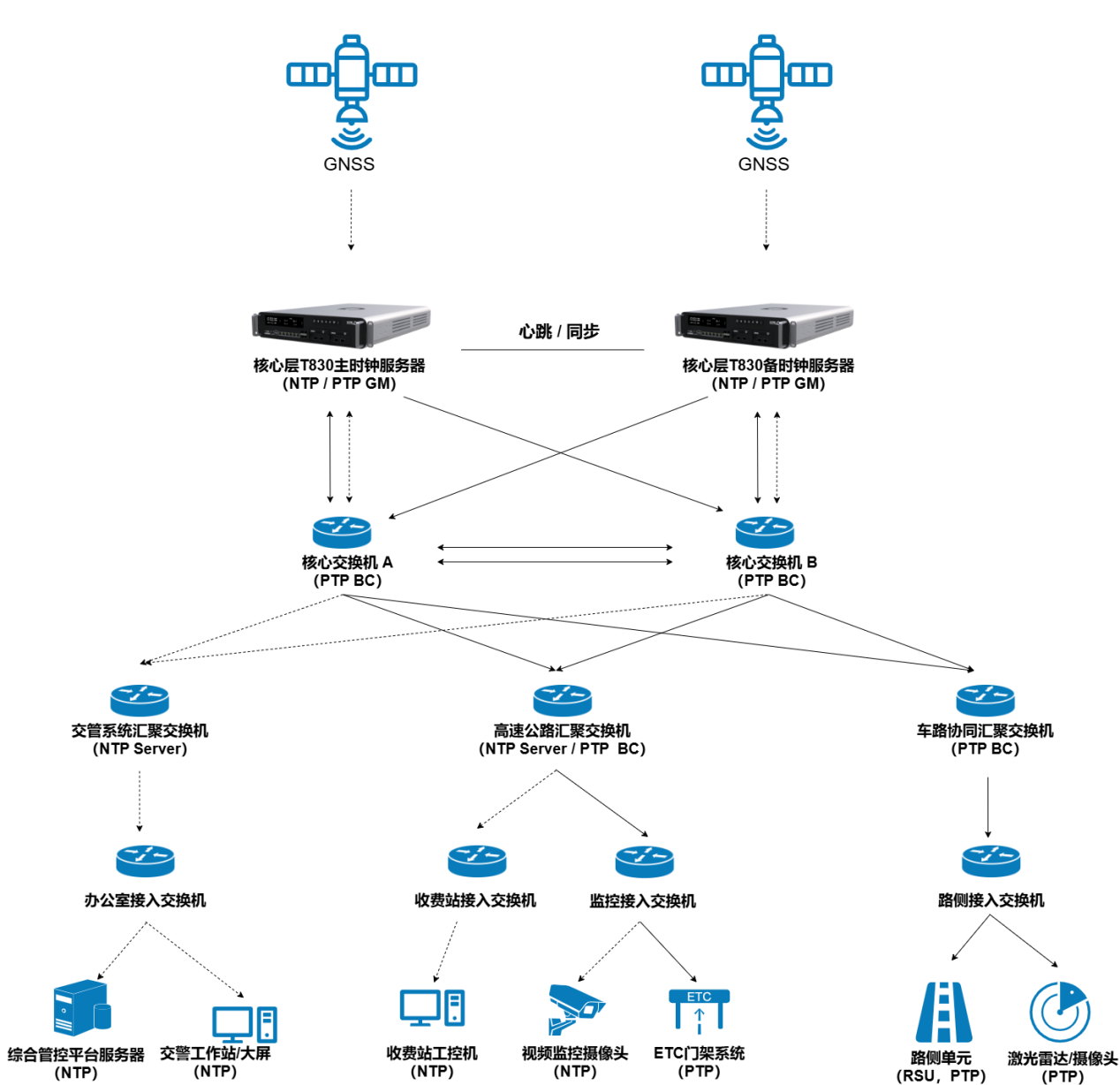
智能交通系统同时存在 纳秒级、微秒级、毫秒级 三档需求,对应 V2X、信号控制、视频取证等业务。不同业务对 PTP/NTP/物理授时方式的需求差异显著,必须通过统一基准+分级接入策略覆盖所有场景。
现网共性痛点
城市交管、高速、轨道场景普遍存在 设备代际跨度大、授时系统混杂、监控缺失、跨安全域时间不一致 等问题,导致不同系统之间出现秒级甚至分钟级偏差,难以支撑关键业务稳定运行。
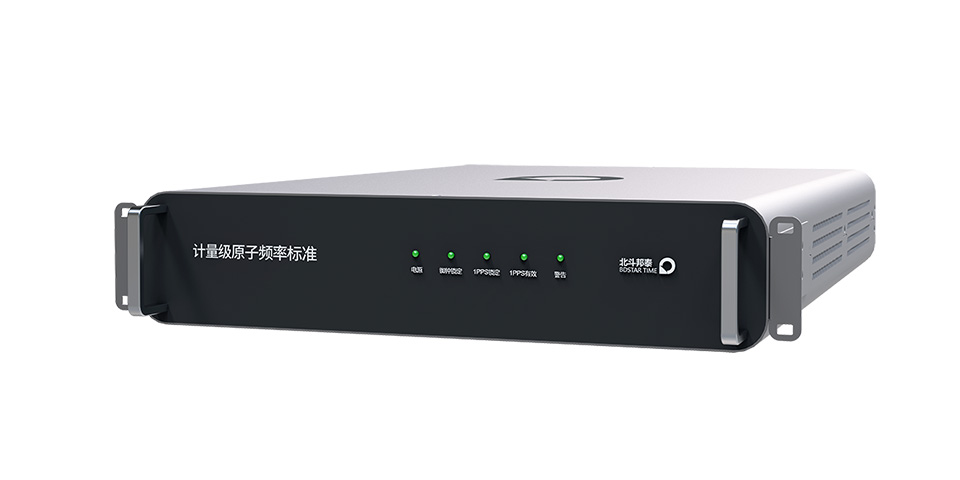
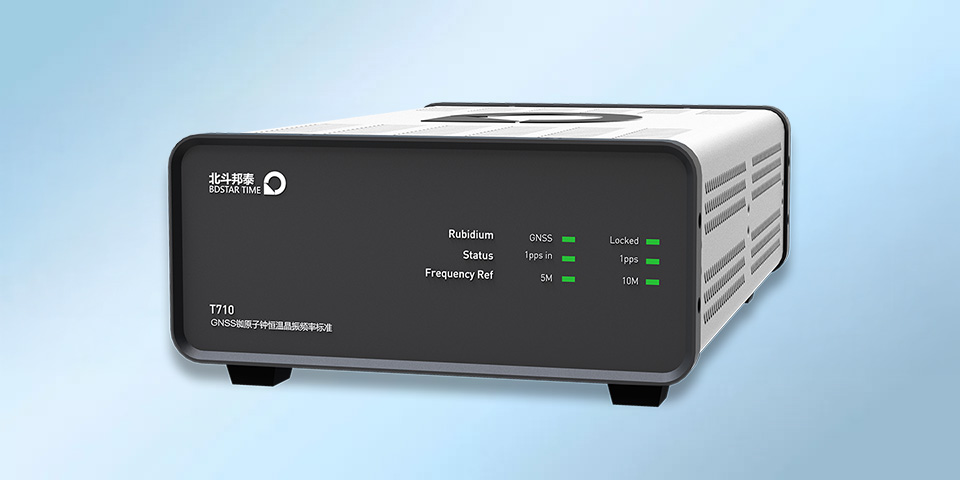
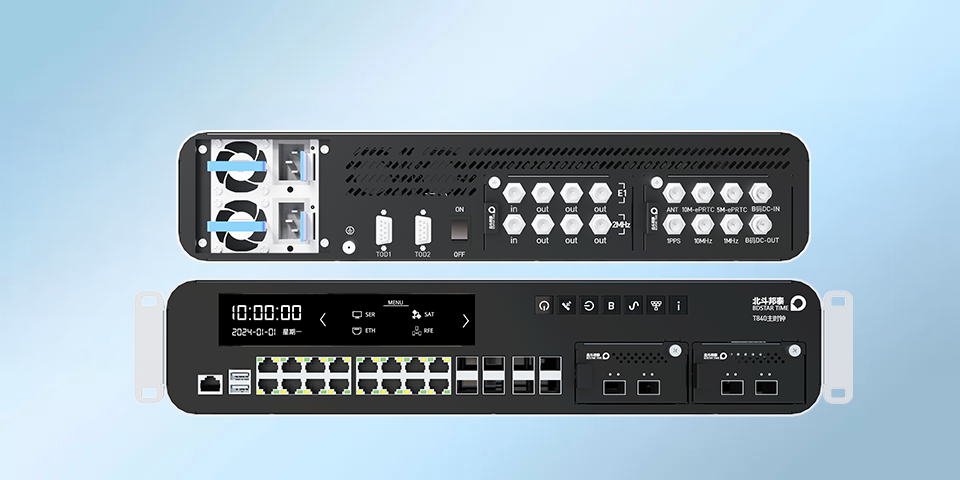
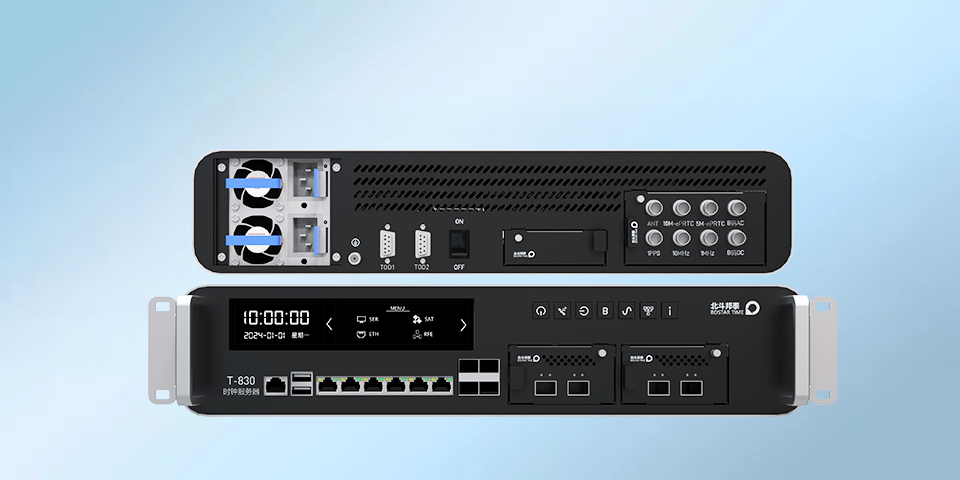
The T770 is a metrology-grade rubidium atomic frequency standard, offering frequency stability, drift, and temperature coefficient up to 10 times better than ordinary rubidium clocks, and a one-day frequency stability comparable to that of a small cesium clock. It supports 1PPS and GNSS UTC synchronization, uses smooth frequency division to ensure a stable time base, and automatically maintains time in the event of a loss of lock. It features anti-interference algorithms and outputs multiple signals, including 10MHz, 5MHz, 1PPS, and Time of Departure (TOD). Options include 100MHz, 90MHz, and IRIG-B. Its 2U chassis makes it suitable for applications such as ePRTC master clocks, radar, communications, metrology, and aerospace measurement and control.
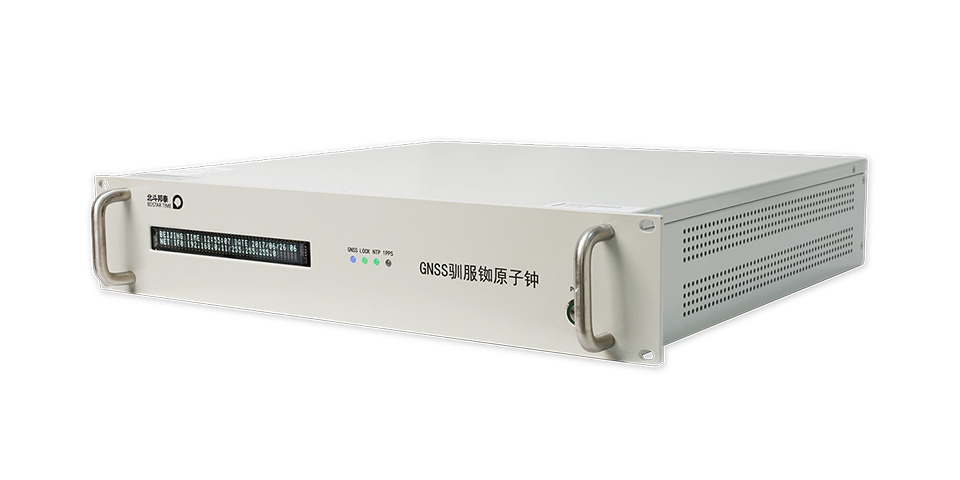
The T760 is a high-precision GNSS disciplined rubidium atomic frequency standard. It integrates GNSS, a rubidium clock, and a low-phase-noise crystal oscillator, achieving output frequency stability comparable to that of a cesium clock. It supports 1PPS and UTC synchronization and features automatic timekeeping, frequency smoothing, anti-interference, and encryption. It runs a built-in Linux system and is compatible with PTPv2.1, NTP, and SNTP protocols, achieving nanosecond-level network timing accuracy. Housed in a 2U chassis, it supports multiple signal outputs, including 10MHz, 1PPS, IRIG-B, and Time of Departure (TOD).
Get the details of solutions such as network-wide unified synchronization, vehicle-road coordination, edge deployment, and local adaptation.